
Bachelor of Arts in International Relations
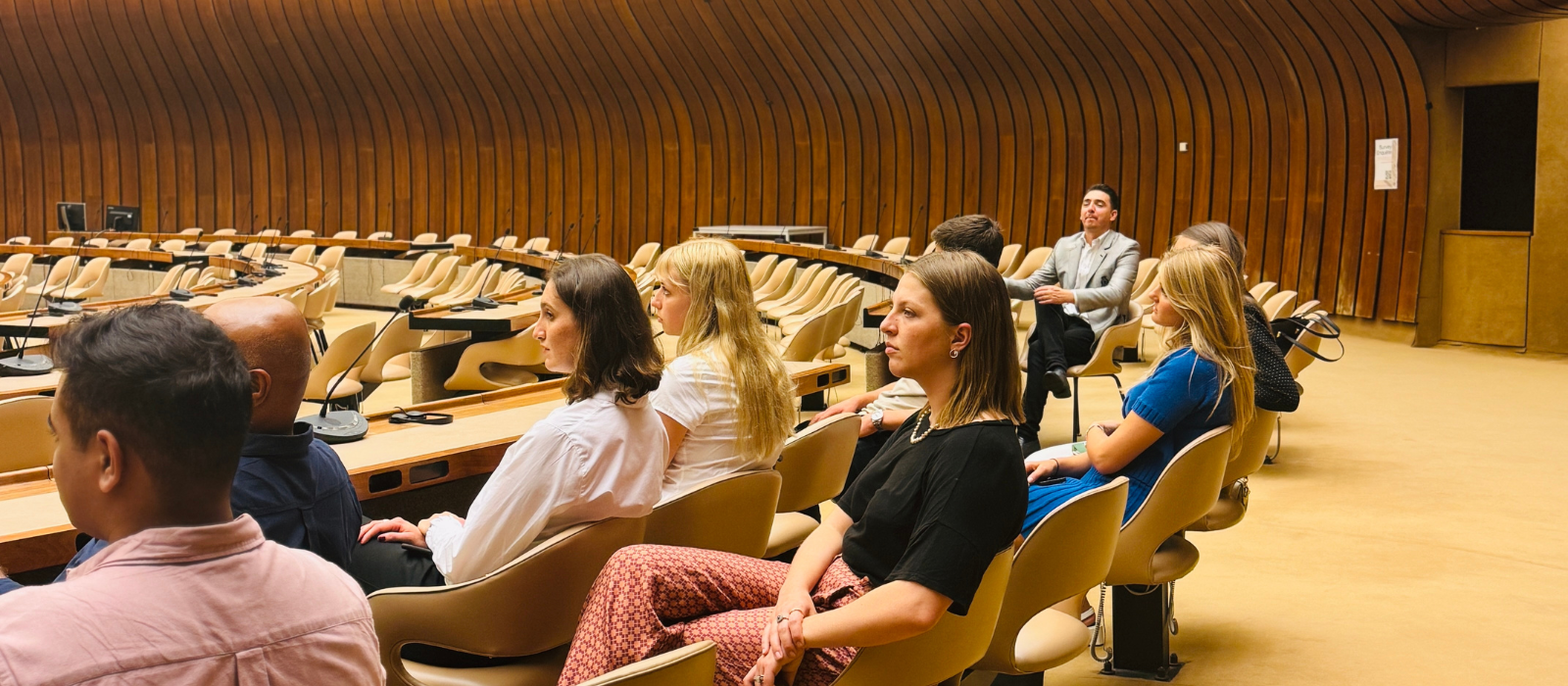
The Bachelor of International Relations at the Geneva School of Diplomacy is a full-time undergraduate degree programme designed to prepare students for careers in diplomacy, international organisations, public policy, NGOs, and the global private sector. Delivered in International Geneva, the programme combines academic rigour with practical exposure to global governance and diplomatic practice.

Programme Overview
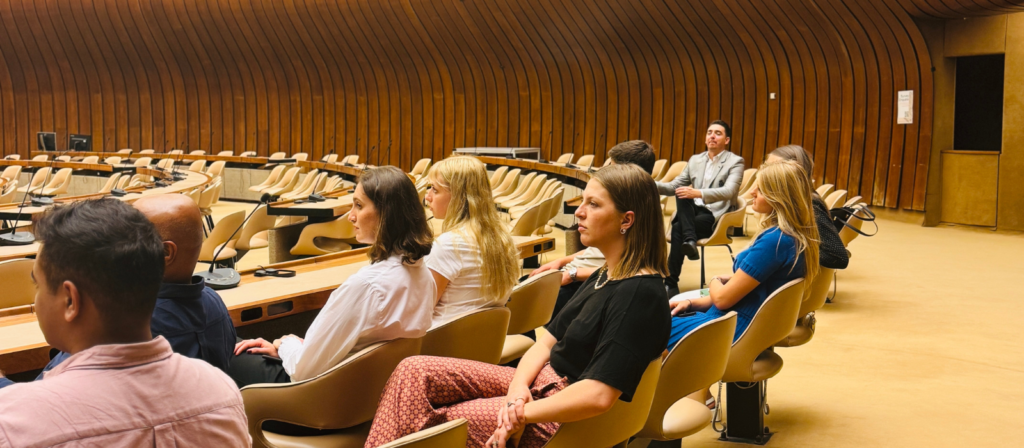
Situated in International Geneva, the Bachelor of International Relations is embedded in one of the world’s most important diplomatic and multilateral environments. The programme offers a structured academic foundation in international relations, diplomacy, and global governance, supported by small-group teaching and close interaction with faculty and practitioners.
Students benefit from a learning environment that combines theory, applied analysis, and experiential learning, preparing them for both professional practice and further academic study.
Learning Outcomes
By the end of the programme, graduates will be able to:
- Analyse international political, economic, and diplomatic systems
- Apply critical thinking and research methods to global issues
- Communicate effectively in academic, policy, and professional contexts
- Engage with contemporary international challenges using theoretical and applied approaches
- Demonstrate professional readiness for international and multicultural environments
Programme Structure
The programme is structured over three academic years, progressing from foundational knowledge to advanced analytical and professional competencies.
Year 1 – Foundations of International Relations
- Core concepts of international relations
- Introduction to global systems, key actors, and international economics
- Academic skills development in research, writing, and analysis
Year 2 – Exploration and Thematic Depth
- Global issues and thematic specialisations
- Comparative and applied analysis
- Seminars connecting theory to current international developments
Year 3 – Skills for Diplomacy and Professional Preparation
- Advanced seminars and practitioner-led discussions
- Training in communication, negotiation, and presentation skills
- Focus on professional integration and applied learning
Final Stage
- Internship (8 ECTS): supervised professional placement
- Dissertation (20 ECTS): independent research project demonstrating academic rigour
The programme may also include study abroad opportunities and academic partnerships, subject to availability.
Admissions Requirements
Applicants must hold a high-school diploma or equivalent qualification granting access to undergraduate studies.
English language proficiency
Applicants must demonstrate proficiency in English through one of the following (or equivalent):
- IELTS 6.5
- TOEFL iBT 85
- Cambridge C1 Advanced
- Duolingo English Test 115
Applicants who have completed prior studies fully in English may be eligible for a waiver.
Tuition and Fees
- Application fee: CHF 300 (non-refundable)
- Enrolment fee: CHF 1,500 (one-time)
- Tuition fee: CHF 35,000 (per academic year)
- Deposit to secure admission: CHF 5,000 (credited toward the annual tuition fee)
Tuition fees cover academic instruction. Living expenses, travel, and personal costs are not included.
Career Outcomes
Graduates of the Bachelor of International Relations pursue careers across a wide range of sectors, including:
Graduates pursue a wide range of academic and professional pathways, including:
- Diplomacy and foreign services (embassies, permanent missions)
- International organisations (UN agencies and multilateral institutions)
- Non-governmental organisations (humanitarian, development, and human rights sectors)
- Policy and research (public administration, think tanks, analysis units)
- Private sector (public affairs, corporate responsibility, global strategy roles)
The programme also provides a strong foundation for postgraduate study in international relations and related fields.